Flat vs Pitched Roofs: Design, Drainage and Upkeep Costs
Selecting the right roof profile for a home in Fremantle requires balancing aesthetic appeal, structural performance, and the harsh realities of a coastal Mediterranean climate. With Perth experiencing hot, UV-intense summers, afternoon sea breezes known locally as the Fremantle Doctor, and concentrated winter storm downpours, roof design plays a decisive role in long-term building durability. Both flat roofs (often engineered as low-pitch skillion designs) and traditional pitched roofs offer unique advantages and maintenance considerations for property owners evaluating their options in 2026.
Design Aesthetics and Structural Considerations in Fremantle
Roof architecture significantly impacts a property's street presence, energy efficiency, and compliance with local council guidelines. In Fremantle, modern architectural trends lean toward sleek, minimalist lines, making flat and low-pitch roofs a popular choice for contemporary builds and sustainable retrofits. Conversely, many heritage conservation precincts throughout Fremantle mandate traditional pitched profiles to preserve historic streetscapes characterized by Federation and worker's cottage architecture.
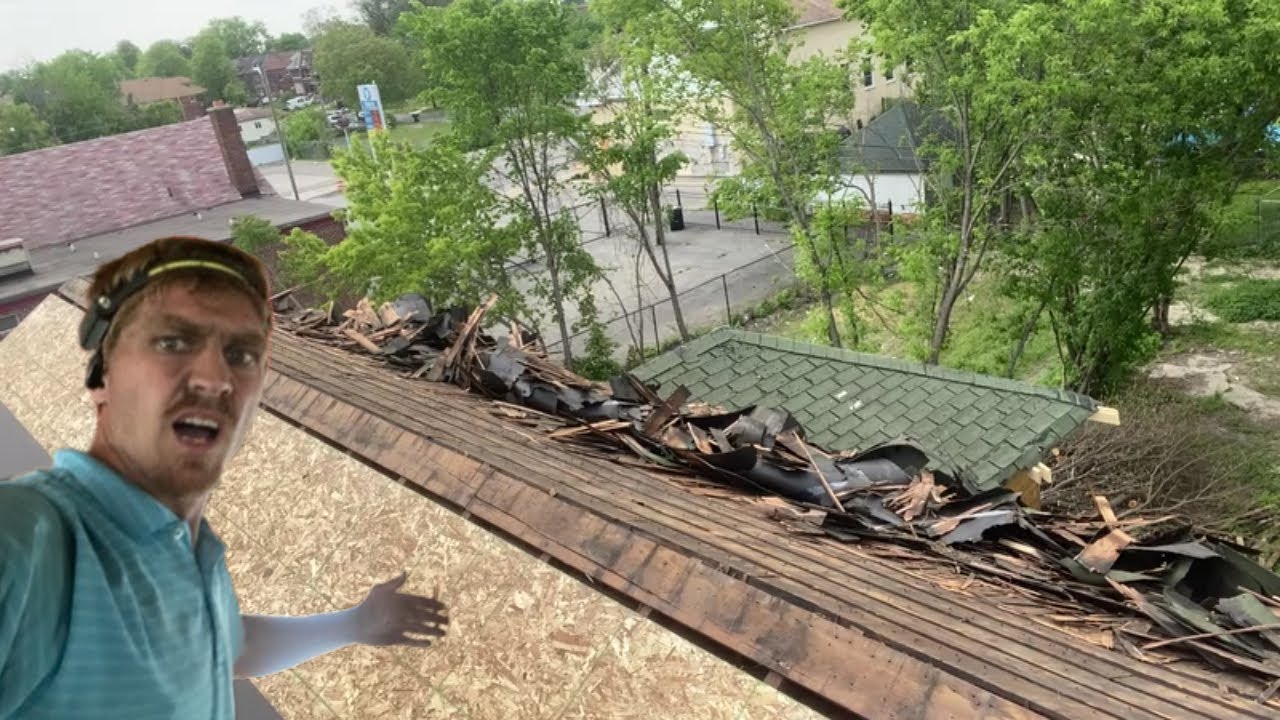
Structurally, flat roofs—which typically maintain a minimal fall between one and five degrees to prevent complete water stagnancy—require fewer timber or steel framing materials overhead. This profile allows for higher internal ceiling heights or the addition of an extra living storey within overall council height restrictions. Pitched roofs, generally built at angles of fifteen to thirty-five degrees, create a natural ceiling cavity. This attic space serves as a vital thermal buffer against Perth's intense summer sun, reducing solar heat transfer into living spaces below and simplifying the installation of high-efficiency insulation required under current NatHERS energy efficiency benchmarks.
Water Drainage and Coastal Weather Resilience
Drainage efficiency is the single most critical differentiator between flat and pitched roofing systems. Fremantle's location along the coast exposes properties to heavy seasonal rain bursts alongside corrosive, salt-laden marine air, making water management essential to structural integrity.
Pitched roofs rely on natural gravity to shed rainwater rapidly. Water runs down the slope into external eaves gutters and downpipes, which minimizes the risk of moisture ingress into the roof framing. This steep pitch also facilitates the natural wash-off of airborne marine salts during rainfall, reducing surface corrosion on metal sheeting and protective coatings.
Flat roofs require engineered drainage solutions such as parapet walls, internal box gutters, scuppers, and waterproof membranes. Because water moves much slower across low-slope profiles, even minor debris https://roofrestorationfremantle.com.au/ blockages can result in ponding water. In a coastal environment, standing water accelerates the deterioration of sealants, membranes, and fasteners. For flat roofs installed in Fremantle, builders frequently specify marine-grade membranes or continuous-length concealed-fix metal decking, such as Colorbond Ultra, to avoid screw penetrations that could harbor moisture and rust.
Maintenance Requirements and Upkeep Costs
While flat roofs generally incur lower initial framing and installation costs, their ongoing maintenance schedule tends to be more demanding over the life of the building. Pitched roofs demand higher upfront capital for materials, trusses, and labor, but they often present lower recurring upkeep expenses over a multi-decade lifespan.
Routine Upkeep for Flat Roofs
- Membrane inspections: Waterproof liquid membranes and sheet systems must be inspected annually for UV degradation, blistering, or split seams caused by thermal expansion.
- Box gutter clearance: Internal box gutters require frequent clearing of leaves and sand drift to prevent internal overflow into ceiling spaces during sudden downpours.
- Ponding prevention: Regular checks ensure that structural settlement has not created depressions where water sits for more than forty-eight hours post-rainfall.
- Recoating cycles: Protective liquid-applied coatings generally require reapplication every ten to fifteen years to preserve waterproofing integrity.
Routine Upkeep for Pitched Roofs
- External gutter and valley cleaning: Valleys and standard eaves gutters must be cleared seasonally to maintain unrestricted water pathing.
- Ridge capping maintenance: On concrete or clay tiled roofs, the mortar pointing along ridge caps needs repointing every fifteen to twenty years.
- Fastener and sheet inspection: Metal pitched roofs require periodic inspection of neoprene washer screws and perimeter flashings for coastal rust or loosening from strong sea breezes.
- Tile alignment checks: Individual cracked or dislodged tiles must be replaced promptly following severe winter windstorms.
Making the Right Choice for Your Property
Deciding between a flat or pitched roof in Fremantle depends on specific architectural goals, localized microclimate exposure, and long-term budget planning. A flat or low-pitch roof provides clean, contemporary geometry, facilitates rooftop deck construction, and keeps overall building heights low. However, it demands a proactive maintenance mindset and specialized waterproofing expertise.
A pitched roof remains the standard for durability, natural thermal comfort, and rapid water shedding, providing dependable protection against coastal winds and winter rain. Consulting with a qualified local roofing professional ensures that whichever profile is chosen, the materials, falls, and flashings are engineered to withstand Fremantle's demanding coastal climate for decades to come.
Fremantle Roof Restoration & Repair
WA, 6160
(08) 9515 3082